What if you’re winning at life—but still heading in the wrong direction?
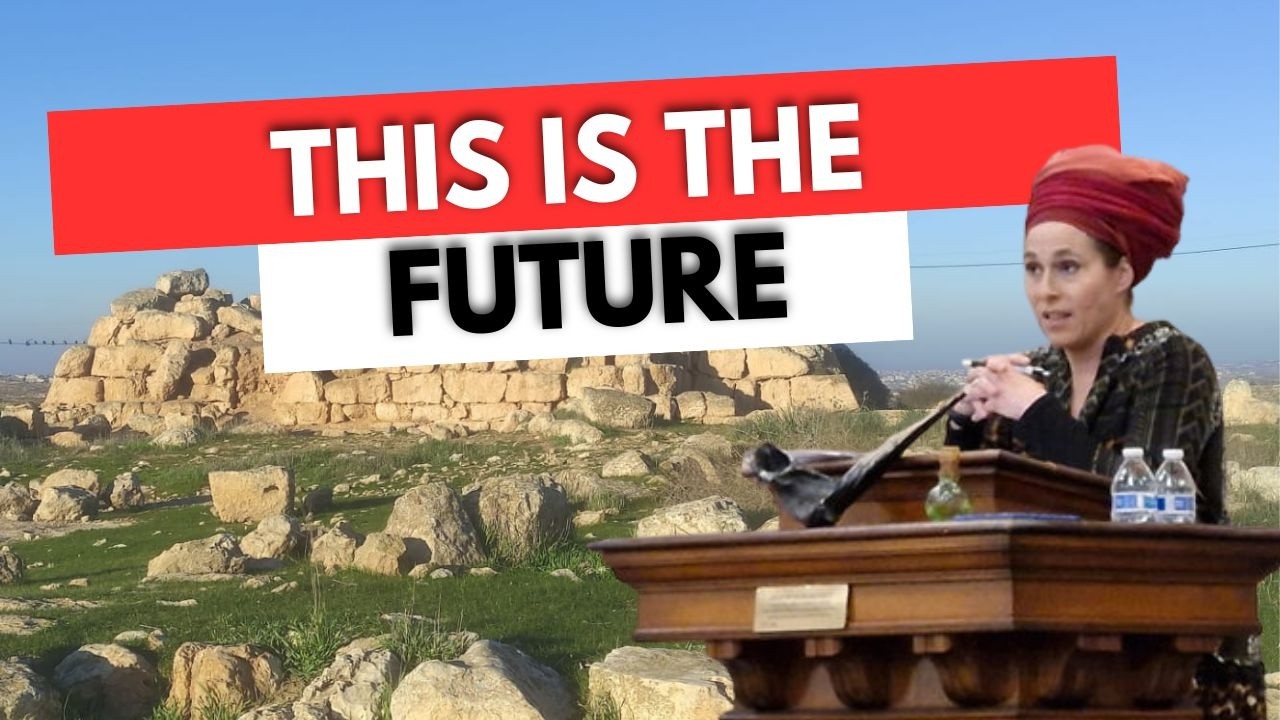
Standing among the ruins of ancient Shomron creates an uncomfortable tension. The Tanakh remembers kings like Omri and Achav for their failures and corruption, yet archaeology reveals something else about their kingdoms: extraordinary wealth, military strength, international influence, monumental construction, and incredible prosperity.
So what are we supposed to make of their success?
In this episode, I explore the Northern Kingdom through the stories of Omri, Achav, Navot’s vineyard, Eliyahu HaNavi, and the prophet Amos. The Tanakh doesn’t deny the accomplishments of these kings. Instead, it challenges us to reconsider how we measure success in the first place.
Through Achav’s desire for Navot’s vineyard and Amos’s condemnation of a society lounging on ivory while remaining unmoved by the suffering around them, we discover a warning that feels remarkably relevant today: prosperity itself isn’t the problem. The question is what prosperity does to us.
Can we build, succeed, accumulate, and grow without becoming numb to the people around us? Can we enjoy comfort without allowing it to distract us from our families, communities, character, and responsibilities?
Ancient Shomron forces us to confront a powerful idea: history may measure civilizations by what they built, but the Tanakh measures them by what their people became.
I begin with the strange experience of standing in ancient Shomron after growing up reading about Omri, Achav, and Jezebel as some of the great villains of the Tanakh. Archaeology reveals that these weren’t weak rulers presiding over an insignificant kingdom. The Northern Kingdom was powerful, wealthy, sophisticated, and influential.
Omri built Shomron into an impressive capital, and his influence was so significant that foreign powers continued associating Israel with his name long after his dynasty disappeared. Yet the Tanakh spends remarkably little time celebrating these achievements. Its judgment of Omri focuses instead on the kind of king he was and the direction in which he led Israel.
Achav takes this tension even further. His kingdom had cities, military strength, international alliances, trade, and extraordinary luxury—including the famous ivory associated with Shomron. But the story of Navot’s vineyard exposes what can happen when power and prosperity begin changing how a person sees the world.
To Achav, the vineyard is property that can be bought or exchanged. To Navot, it is his *nachalah*—his ancestral inheritance and connection to generations before him. After Jezebel arranges Navot’s death and Achav takes possession of the vineyard, Eliyahu confronts him with the chilling words: “Haratzachta vegam yarashta?”—“Have you murdered and also inherited?”
Later, Amos confronts the prosperous Northern Kingdom with a similar message. He describes people reclining on ivory, eating delicacies, drinking wine, and enjoying tremendous comfort while failing to feel the suffering around them.
The problem isn’t wealth itself. The danger is allowing success and comfort to make us numb.
That same challenge exists today. We live with extraordinary levels of comfort, access, technology, and material abundance. The question ancient Shomron leaves us with is whether we can continue building and succeeding without forgetting our character, families, communities, and the people who need us.
If this episode helped you better appreciate Judea and Samaria, take that connection to the next level.
The Judea and Samaria Experience can help you plan meaningful visits throughout the region—from off-the-beaten-path sites and expert tour guides to opportunities to connect with fascinating local personalities.
And the best part? The referral service is completely free, thanks to the generous support of Texans for Safe Israel.
Visit JudeaSamariaExperience.com—that’s “Judea” without an H.
Tune in to the full episode and experience the places, stories, and history of Judea and Samaria for yourself.